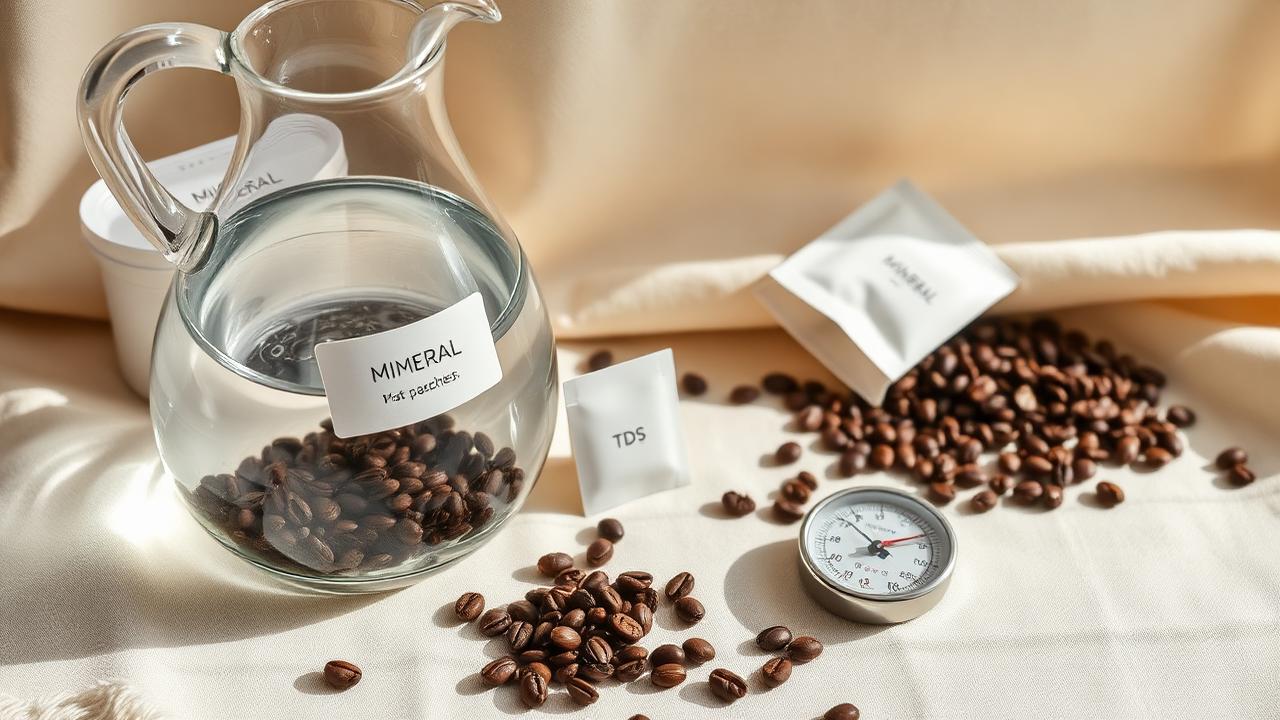
Pour Over Fundamentals: Building a Recipe You Can Repeat
Try a repeatable pour-over starting recipe and learn how to adjust it from your own cup.
Read article
Calculate a starting recipe, record what changed and compare what you tasted — all in your browser.
Featured tools
These are the calculators most brewers reach for first — the ones that turn a vague recipe into repeatable numbers.
Solve for coffee weight, water weight or brew ratio from any two known values.
Best for: brewing calculation work when you need a defensible starting point rather than a guess.
Build a custom multi-stage countdown with audible cues for each pour phase.
Best for: brewing calculation work when you need a defensible starting point rather than a guess.
Turn dose, beverage weight and TDS into an extraction percentage with transparent context.
Best for: brewing calculation work when you need a defensible starting point rather than a guess.
Explore flavour categories and descriptors with clear sensory definitions.
Best for: tasting & recording work when you need a defensible starting point rather than a guess.
Classic pour-over recipes that rescale their pour schedule to your dose.
Best for: brewing method guide work when you need a defensible starting point rather than a guess.
Record roast dates and your brewing method locally without predicting freshness.
Best for: auxiliary work when you need a defensible starting point rather than a guess.
Brewing scenario guide
Each brewing style has its own failure modes. Pick the scenario that matches your setup and jump straight to the tools that address it.
Cone and flat-bed filter brewing combines ratio, temperature, grind and pour timing. Start with a documented recipe, then make one measured change at a time.
Pressurised extraction makes the recipe’s measurements useful for repeatability. Record dose, beverage mass, elapsed time and sensory result before changing one variable.
Cold-brew outcomes depend on the coffee, water, recipe, temperature and duration. Use a repeatable batch and timer to make later comparisons meaningful.
Structured tasting turns vague impressions into comparable records. Score the standard attributes, name the flavours with a shared vocabulary, and write the note while the cup is in front of you.
Brewing basics
Understanding these makes the calculators far more useful, because you can predict which direction to adjust before you measure anything.
Extraction yield estimates what share of dry coffee ended up dissolved in the beverage. It is useful context when combined with a reliable TDS reading and tasting notes, not a standalone taste verdict.
Strength describes dissolved material in the cup, while extraction describes dissolved material relative to dry coffee. Both are measurements and neither alone describes whether you will like a brew.
Particle distribution can affect a brew, alongside recipe, water, temperature, brewer and preparation. Change one measured variable at a time to learn from a comparison.
Roast age can be useful to record with your brew notes, but storage, package, coffee and brewing method mean it cannot set a universal peak or drink-by date.
Start here
These are editorial starting points for common home-brewing tasks, not a usage ranking.
Solve for coffee weight, water weight or brew ratio from any two known values.
Build a custom multi-stage countdown with audible cues for each pour phase.
Compare practical grind references with your own observed result.
Calculate yield, ratio and flow rate for a recorded shot.
Record roast dates and your brewing method locally.
Why Brew Bench
Every calculator runs in your browser with plain JavaScript. There are no accounts, no servers processing your inputs and no dependence on an external service that might disappear.
Twenty-five tools cover the full path from planning a dose to logging a tasting note, so you are not stitching together unrelated websites for one morning brew.
Each tool documents the formula or standard behind it, so the numbers become something you can reason about and adjust rather than instructions to follow blindly.