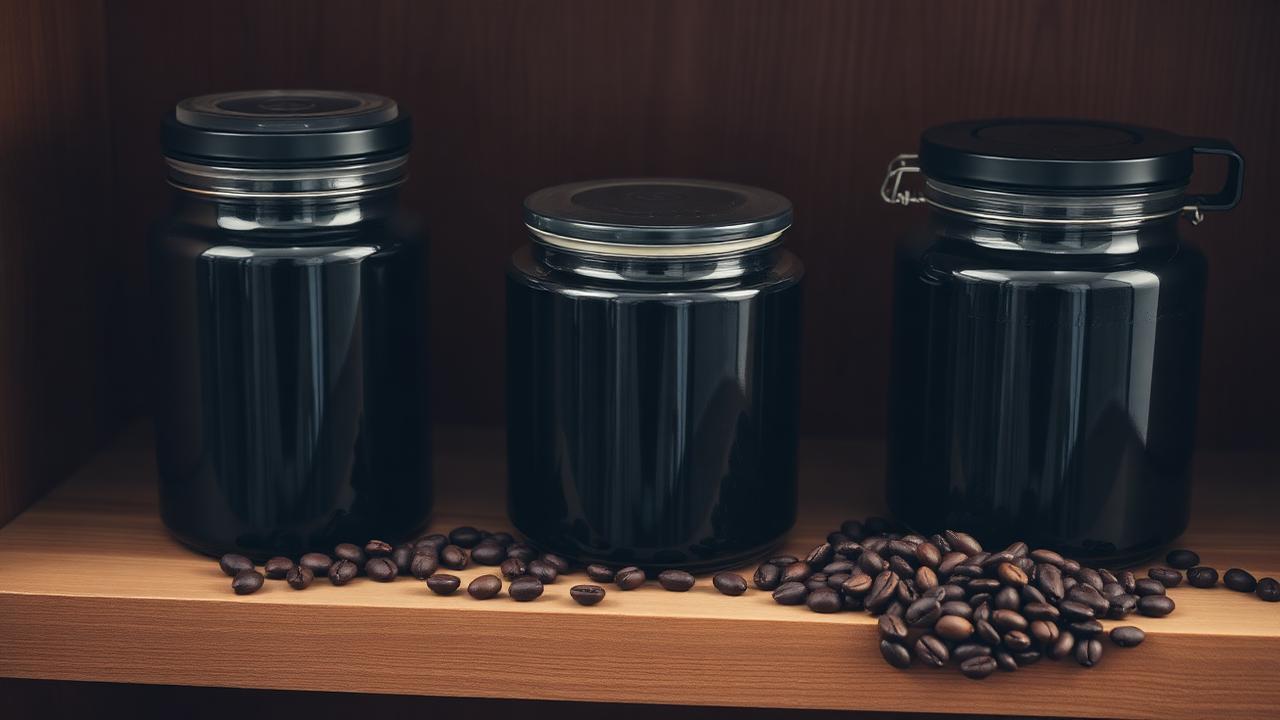
Roasted coffee changes during storage, and exposure to air, moisture, heat and light can affect its aroma and flavour. The rate is not the same for every coffee or package, so a calendar rule cannot predict exactly when a bag will stop tasting good to you. The practical goal is to limit avoidable exposure and keep a routine that lets you finish the coffee while you still enjoy it.
What changes during storage
Air exposure can alter volatile aromas over time. Keeping beans sealed between uses limits the amount of fresh air they encounter. Grinding exposes more surface area than storing whole beans, which is one reason many people prefer to grind shortly before brewing; the exact sensory difference depends on the coffee, grinder and storage conditions.
Moisture and odours are worth limiting. Keep coffee dry and away from strongly scented foods or cleaning products. A container taken repeatedly from a cold place into humid air may collect condensation, so avoid opening a cold package until it has had time to come closer to room temperature.
Heat and direct light are easy to avoid by keeping the package in a cupboard away from appliances that give off heat and from sunny windows. Stable, ordinary indoor storage is convenient for coffee you plan to use soon; a special container is not automatically necessary if the original bag seals well.
These factors interact, and no simple ranking applies to every package and kitchen. Choose a storage method you can use consistently, then compare the coffee over time if you want to decide whether a different container or buying quantity matters to you.
Degassing: why very fresh is not always best
Roasted beans release carbon dioxide after roasting, and the amount changes with the coffee and time. Gas release can affect how water interacts with the grounds, which is why some brewers allow a rest after roasting, especially for espresso. There is no single rest period that fits every roast, roast profile, package and preference. Follow a roaster's advice when available, then decide by brewing and tasting.
Instead of treating a fixed number of days as a freshness guarantee, record the roast date, when you opened the bag and how you stored it. If a coffee tastes better after a few days' rest, keep that observation for that coffee and method. Another lot may behave differently. Roast date is useful information, but it cannot reveal all storage and transport conditions before purchase.
Use the tool: the Bean Age Tracker records roast dates and a selected brewing method in this browser. It reports elapsed time; it does not test freshness, predict a peak period or set a drink-by date.
Storing coffee you plan to use soon
If the original bag reseals, close it carefully after each use and keep it in a cool, dry cupboard away from heat and sun. A valve is designed for gas exchange in the package, but its presence does not prove that the bag is airtight after opening. Avoid squeezing beans or repeatedly pressing air through the valve; focus on closing the package securely.
If the bag does not reseal, a clean, dry, tightly closing container can make daily handling easier. Opaque containers reduce light exposure; vacuum or gas-flushing designs are optional and their real benefit depends on the product and how it is used. Keep a small quantity in the container you open often rather than transferring an entire supply repeatedly.
For coffee you will use soon, a cupboard away from heat, direct sunlight and strong odours is a simple default. Refrigerators vary in humidity and contain food aromas, so they are not usually the easiest place for a frequently opened bag. That does not mean every sealed package in a refrigerator instantly spoils; choose a method that avoids condensation and repeated temperature changes.
Freezing as an option
Freezing can be an option when you want to keep coffee for later, but it requires careful packaging and handling. If you choose to freeze some, divide it into portions you can use without repeatedly opening the whole supply, use a well-sealed freezer-safe package and label it with the coffee and date. Keep it away from odours and follow the packaging or roaster guidance if provided.
When taking a sealed portion out of the freezer, allow it to come toward room temperature before opening so moisture from the air is less likely to condense on cold beans. Avoid repeated freeze-thaw cycles and do not assume that frozen beans will grind or extract better; those outcomes depend on grinder, equipment and method. If freezing adds hassle without preserving a flavour you value, a smaller purchase may be a simpler answer.
Whole bean versus pre-ground
Whole beans are generally easier to store than coffee that has already been ground because less surface area is exposed to air. Grinding shortly before brewing is a practical way to preserve more aroma, but there is no universal minute-by-minute point at which ground coffee becomes unusable. If pre-ground coffee fits your equipment or routine, buy a quantity you can finish, reseal it after use and compare the result with freshly ground coffee only if that choice matters to you.
If you are considering a grinder, weigh its cost, space, noise and maintenance against how you brew. It may give you more control over grind size and freshness, but it is not the only worthwhile upgrade for every person. A brewer you enjoy using and beans you like can matter more than adding equipment for its own sake.
Myths worth discarding
- “The refrigerator is always best.” A frequently opened cold package can encounter condensation and food odours. For coffee you use every day, a sealed package in a cupboard is often simpler.
- “Oily beans prove freshness.” Surface oil can be associated with roast style and storage, but appearance alone does not tell you when coffee was roasted or whether it tastes fresh.
- “Airtight means no exposure ever.” A closed container limits exchange with the environment; it cannot reverse changes that already occurred or make every package equally protective.
- “Whole beans never change.” Whole beans are convenient to store, but aroma and flavour can still change over time. Let your own tasting and package information guide what you buy and when you use it.
A routine you can repeat
Choose a bag size that matches how quickly you use coffee, and note the roast date and opening date if they are supplied. Keep the active supply sealed between brews and away from heat, light and odours. If you buy more than you will use soon, decide whether portioned freezing or a smaller next purchase is the more practical option for you. Grind shortly before brewing if you have a grinder, and keep using the method that gives you an enjoyable cup. A simple routine is more valuable than a storage gadget whose benefits you cannot notice.