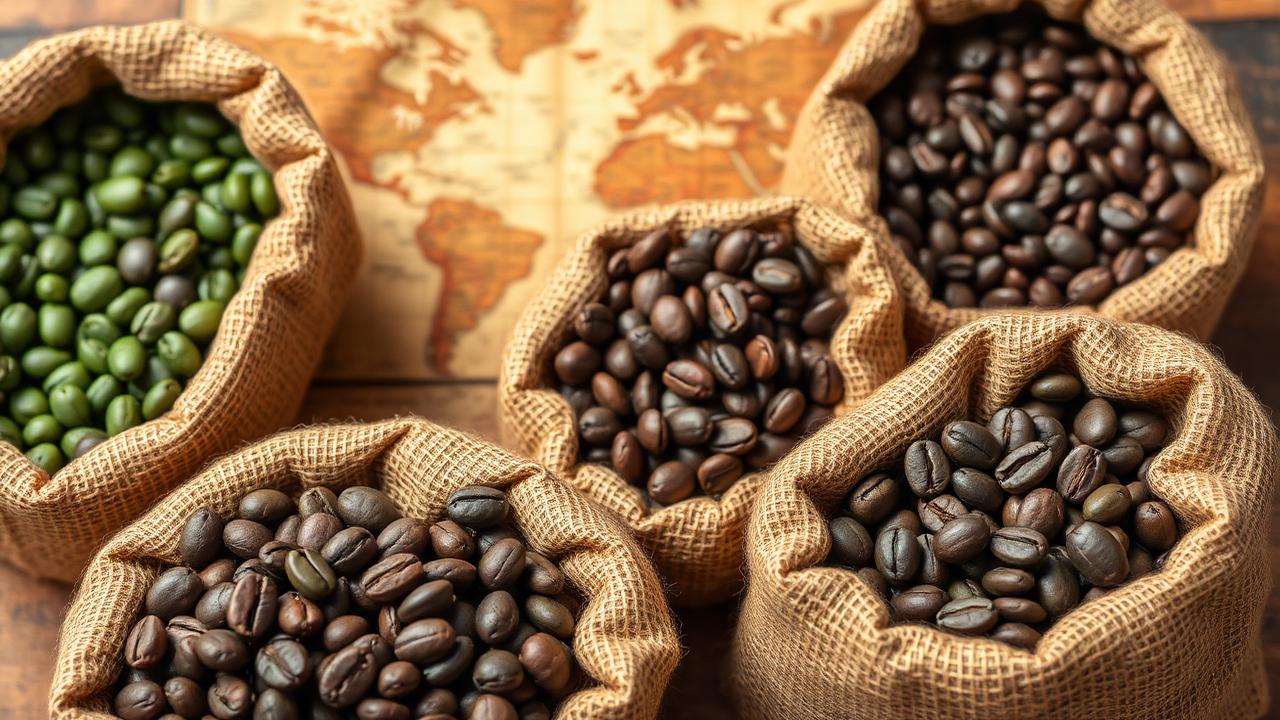
A specialty coffee bag may list a country, region, producer or washing station, elevation, variety and processing method. Those details help describe the coffee's background, but none predicts the exact flavour in your cup. Use the label to form a question or choose a comparison, then let the brewed coffee confirm whether the description fits your own experience.
Elevation is one piece of context
Elevation can be relevant to growing conditions, but it is only one part of a coffee's history. Temperature, variety, farm practices, weather, harvest decisions, processing, storage and roasting all affect the result. Elevation figures may also be reported differently by producers or retailers, so compare them as context rather than as a laboratory measure of density or quality.
There is no dependable elevation ladder that assigns one flavour below a threshold and another above it. Coffees from higher sites may be described as dense or bright, but those are tendencies reported for particular lots, not guarantees about every farm or cup. Elevation alone cannot tell you which grind or water temperature to use; taste the coffee and change your brewing recipe only when the result gives you a reason.
Elevation is not destiny. A well-described bag can still surprise you, and a lower-elevation coffee can be carefully grown and processed. Treat the number as a clue to investigate, not a ranking or a substitute for tasting the actual lot.
Regional signatures worth knowing
Ethiopia. Bags from Ethiopian growing areas may carry floral, citrus or berry tasting notes, and washed and natural lots can present differently. The country contains many regions, producers, varieties and processing choices, so a regional name is not a flavour guarantee. Check the lot's own description and compare it with what you taste.
Kenya. Some Kenyan coffees are described with blackcurrant, citrus or tomato-like notes and lively acidity. Such descriptors refer to a style found in particular coffees; they do not describe every Kenyan lot or tell you whether you will enjoy it. Variety, harvest, processing and roast all contribute.
Colombia. Coffee is grown across diverse regions and farms, so country alone gives little detail. A bag may list a department, municipality, producer or washing station that narrows the context. Use the specific lot information and the roaster's notes rather than assuming a single national profile.
Brazil. Brazilian lots are often used in blends and may be described with nut, chocolate or lower-acidity notes, but there is meaningful variation among farms, regions, cultivars and processes. A country label cannot guarantee that a coffee will suit espresso, milk or filter brewing.
Central America. Guatemala, Costa Rica, Honduras and El Salvador each contain varied coffee-producing areas. A label that names the country is a starting point; details such as region, farm and process make a more useful comparison. Do not assume that every coffee from these countries has the same balance or body.
Indonesia. Some Indonesian coffees, including lots from Sumatra, are wet-hulled and may be described with earthy, herbal or full-bodied notes. Processing and regional practices vary, and a flavour description should not be used to stereotype all coffee from a large, diverse origin.
Variety: less important than people think, except when it is not
Variety names such as Typica, Bourbon, Caturra, Catuai and Villa Sarchi can provide useful agricultural and historical context. They do not describe a fixed flavour in isolation: growing site, plant health, harvest, processing and roasting also matter. Avoid inferring a quality ranking or a precise cup profile from a cultivar name alone.
Gesha (also written Geisha) and SL28/SL34 are examples of varieties that may be highlighted on a bag, but the name itself does not guarantee a particular aroma or price. A credible description should identify the coffee lot and give enough context to understand what is being sold. Treat variety as one useful detail among several, then compare the brewed coffee with the tasting notes.
Use processing as one comparison point
Processing is one useful comparison point. In broad terms, washed, natural and honey-labelled coffees involve different handling of the fruit and mucilage, and those choices can contribute to differences in flavour and texture. The labels do not guarantee that all coffees within a method taste alike; producers use varied practices, and the green coffee and roast remain important.
If two bags share a country but list different processes, compare their descriptions and taste them side by side if practical. Processing may help explain a difference, but it cannot reliably predict which coffee you will prefer better than the cup itself. Record what you notice instead of treating a process name as a score.
Use the tool: the Interactive Coffee Flavor Wheel offers related flavour words to explore. Use a descriptor only when it matches what you actually notice; the wheel does not identify a coffee's origin or verify its tasting notes.
How to interpret harvest information
Harvest information can help you understand when a lot was picked, but coffee does not have one universal shelf life that can be read from harvest date alone. Storage conditions, processing, shipping, packaging and roast all matter. If harvest year or lot details are supplied, treat them as context and ask the roaster how they manage green-coffee storage rather than assuming that a particular age guarantees freshness or decline.
Availability varies with harvest schedules, shipping, purchasing and roasting decisions. A seasonal arrival pattern is not a guarantee that a bag is newly harvested or fresher than another origin. Check the roast date and lot details when provided, and remember that roast date describes roasting, not harvest.
Turning all of this into a purchase
Decide what you want to try, then use the bag details to narrow the choice. If you like floral or fruit notes, look for a lot whose roaster describes those flavours and choose a brew method you can repeat. If you prefer chocolate or nut notes, search for those descriptions instead. For espresso with milk, consider coffees described as sweet or full-bodied, but test a small bag before buying more. Country, altitude and process are clues, not guarantees.
Then keep notes. Two months of recording origin, process and your own reaction will teach you your preferences faster than any regional guide, including this one — because the point of learning the map is eventually not needing it.